
Burj Khalifa Dimensions
The Burj Khalifa is not only the tallest building in the world, but also one of the most precisely engineered structures ever constructed. While many people admire its height, a common question visitors, students, and architecture enthusiasts ask is about the dimensions of the Burj Khalifa how wide it is, how its base is designed, and how its floors are structured.
In this guide, we explain Burj Khalifa dimensions in a clear and professional way, covering its overall height, base and foundation size, floor plan dimensions, and structural design logic. Everything is explained simply, without unnecessary technical complexity.
Tour Highlights
Burj Khalifa Building Dimensions (Overall)
When discussing Burj Khalifa building dimensions, the most notable figure is its total height. The tower rises to approximately 828 meters, making it the tallest man-made structure in the world.
In addition to its height, the Burj Khalifa consists of:
Over 160 usable floors
Residential, hotel, office, and observation levels
A multi-tiered vertical structure that narrows as it rises
The overall dimensions of Burj Khalifa were carefully planned to support extreme height while maintaining stability, safety, and functionality. Unlike traditional skyscrapers, the Burj Khalifa was designed to distribute weight efficiently from the top all the way down to its base.
Dimensions of the Burj Khalifa Tower
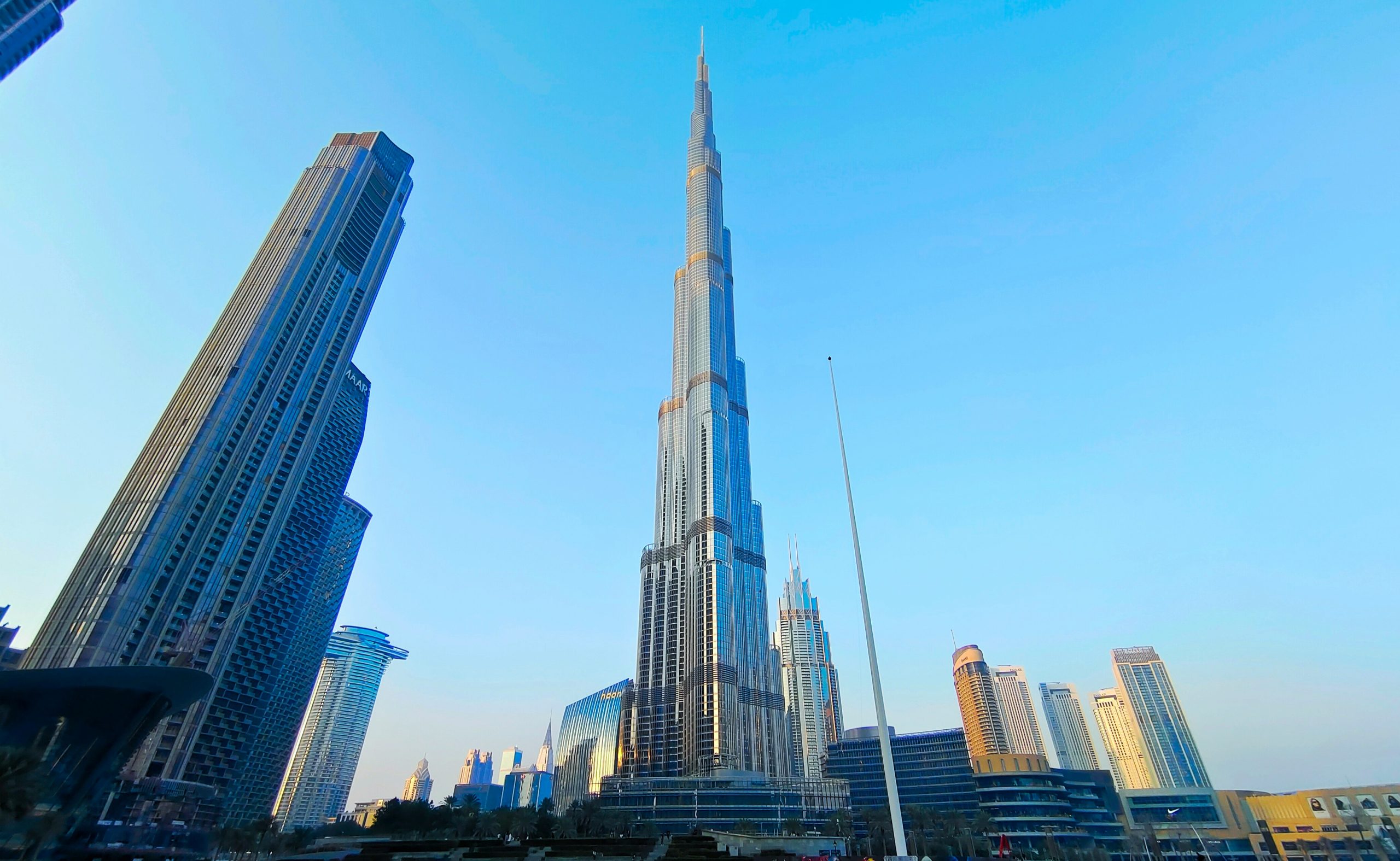
The dimensions of the Burj Khalifa tower change gradually from bottom to top. This is because the building follows a tapered design, meaning the width reduces as the height increases.
This design serves several important purposes:
It reduces wind pressure at higher levels
It improves overall structural stability
It gives the tower its iconic, elegant shape
Rather than being a straight vertical column, the Burj Khalifa is composed of stepped sections. Each tier has slightly different dimensions, allowing the tower to manage wind forces and remain stable even at extreme heights.
This design serves several important purposes:
It reduces wind pressure at higher levels
It improves overall structural stability
It gives the tower its iconic, elegant shape.
Rather than being a straight vertical column, the Burj Khalifa is composed of stepped sections.
Each tier has slightly different dimensions, allowing the tower to manage wind forces and remain stable even at extreme heights.
Burj Khalifa Base & Foundation Dimensions
The Burj Khalifa base dimensions play a critical role in supporting the immense weight of the tower. The base of the building is wide and strong, designed to distribute loads evenly across the ground.
Key aspects of the base and foundation include:
(1) A deep reinforced concrete foundation
(2) A wide footprint that anchors the tower securely
(3) A base shape inspired by a Y-pattern design
The Burj Khalifa foundation dimensions were calculated to withstand not only the building’s weight, but also environmental forces such as wind and temperature changes. The footprint dimensions of Burj Khalifa ensure that the structure remains stable despite its height.
Burj Khalifa Floor & Floor Plan Dimensions
The Burj Khalifa floor dimensions vary depending on the level and its purpose. Lower floors typically have larger floor areas, while higher floors become progressively smaller.
Floor layout overview:
>Lower floors: Larger dimensions, used for hotel and residential spaces
>Middle floors: Residential and office use
>
Upper floors: Observation decks and technical levels
The Burj Khalifa floor plan dimensions follow a modular layout, allowing efficient use of space while maintaining structural balance. Even the ground floor dimensions of Burj Khalifa were designed to support heavy visitor traffic without compromising safety or comfort.
Structural Design Logic Behind the Dimensions
One of the most unique features of the Burj Khalifa is its Y-shaped structural design. This design directly influences the building’s dimensions and stability.
Why this design matters:
> It evenly distributes weight across three wings
> It minimizes sway caused by wind
> It allows the tower to rise higher than traditional designs
Because of this intelligent engineering, the dimensions of Burj Khalifa are not uniform but carefully calculated at every level. Each reduction in width serves a structural purpose rather than being purely aesthetic.
Burj Khalifa Model & Replica Dimensions
Many people are also interested in Burj Khalifa model dimensions, especially for educational or display purposes. Scale models of the building are commonly used in architecture schools, exhibitions, and museums.
In addition, LEGO Burj Khalifa dimensions are popular among collectors and students, offering a scaled-down representation that reflects the real tower’s proportions and design principles.
Tour Gallery

Frequently Asked Questions
What are the exact dimensions of the Burj Khalifa?
+The Burj Khalifa stands approximately 828 meters tall, with over 160 floors and a wide reinforced base designed for stability.
How wide is the base of the Burj Khalifa?
+The base is designed with a broad footprint to evenly distribute the building’s weight and ensure long-term structural strength.
How many floors does the Burj Khalifa have?
+The tower contains more than 160 usable floors, including residential, hotel, office, and observation levels.
Why does the Burj Khalifa narrow as it rises?
+The tapering design helps reduce wind resistance and improves overall structural stability.
What makes the Burj Khalifa foundation so strong?
+Its deep reinforced concrete foundation and carefully planned base dimensions allow it to support extreme height safely.
Ready for an Adventure?
Book your desert safari experience today and create unforgettable memories.
Book Now